
Massage Therapy – What to expect
Relieving the tension that adjustments alone don’t reach.
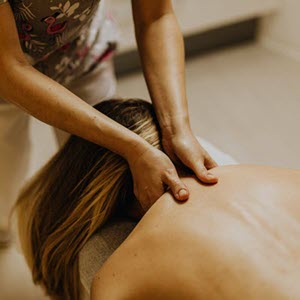
Relieve tension, improve circulation, and support recovery as part of a coordinated treatment plan alongside your chiropractor or physical therapist.
01 — The Basics
What massage adds to your care
Muscle guarding and chronic tension often accompany joint or disc problems, and can limit how well other treatments hold. Massage therapy works directly on that soft tissue to reduce tension and support the results of your other care.
How does it work?
Pressure and technique are matched to your goals, from relaxation-focused work to deeper therapeutic pressure on specific problem areas.
What’s it used for?
Chronic muscle tension, recovery support alongside chiropractic or PT, and stress-related tightness are the most common reasons patients book massage with us.
02 — Your Visit
What a session looks like
Our massage therapists work alongside your chiropractor or physical therapist, not in isolation, so your sessions reinforce the rest of your plan.
Assessment
We identify which areas are carrying the most tension and how that connects to your primary complaint.
Technique matched to your needs
Pressure and technique are adjusted to your comfort and goals throughout the session.
Coordinated with your other care
We communicate with your other providers here so your massage sessions support the rest of your treatment.
Can I get a massage the same day as an adjustment?
Yes, and many patients find the combination effective — we’ll help you decide the best order and timing for your case.
03 — Where It Helps
Conditions massage therapy is commonly used for
A tense neck after a long week and a chronic low back carrying months of guarding both benefit from massage — just at different depths and frequencies.
Chronic muscle tension
Working directly on tightness that’s been building for weeks or months.
Recovery support
Used alongside chiropractic or physical therapy to reinforce your plan.
Stress-related tightness
Addressing the neck and shoulder tension that often comes with stress.
Reduced circulation
Supporting circulation and mobility after periods of inactivity.
Post-activity recovery
Helping muscles recover after strenuous activity or exercise.
General maintenance
Ongoing sessions between active phases of treatment.
04 — Safety
What to expect afterward
Mild soreness for a day after deeper therapeutic work is common, particularly in areas holding significant tension. We’ll adjust pressure on your next visit if needed.
Check with your doctor first if you have
Let us know before your session if you have
A visit with us is appropriate if
Questions we often hear from patients, before their first visit
We offer both — some sessions are targeted therapeutic work tied to your treatment plan, others are more general relaxation massage.
Yes, and many patients find the combination effective — we’ll help you decide the best order and timing for your case.
No — you can schedule massage therapy directly, whether or not you’re an existing chiropractic or PT patient.
It depends on your goals — some patients come weekly during active treatment, others monthly for maintenance.
Comfortable clothing you can move in — we’ll explain what to expect and how much to undress, if at all, before your session.
Deeper therapeutic work can be uncomfortable in tight areas, but we stay within a level you can tolerate and adjust based on your feedback
Health insurance does not typically cover massage and payment is due at the time of service. Insurance coverage may be available for some cases including:
Please call your health insurance provider if you have questions about what your plan covers.
Ready When You Are
Ready To Feel Better
Our team is here to help you move better, feel better, and live healthier