Additional Treatment Options to Support Pain Relief, Recovery & Mobility
At Family Chiropractic & Physical Therapy in Baxter, Minnesota, we offer a variety of adjunct therapies to complement chiropractic care and physical therapy. These treatments may help manage pain, reduce muscle tension, improve mobility, and support recovery from injuries.
Our providers recommend therapies based on your individual condition, examination findings, and treatment goals.
Cupping Therapy
What Is Cupping Therapy?
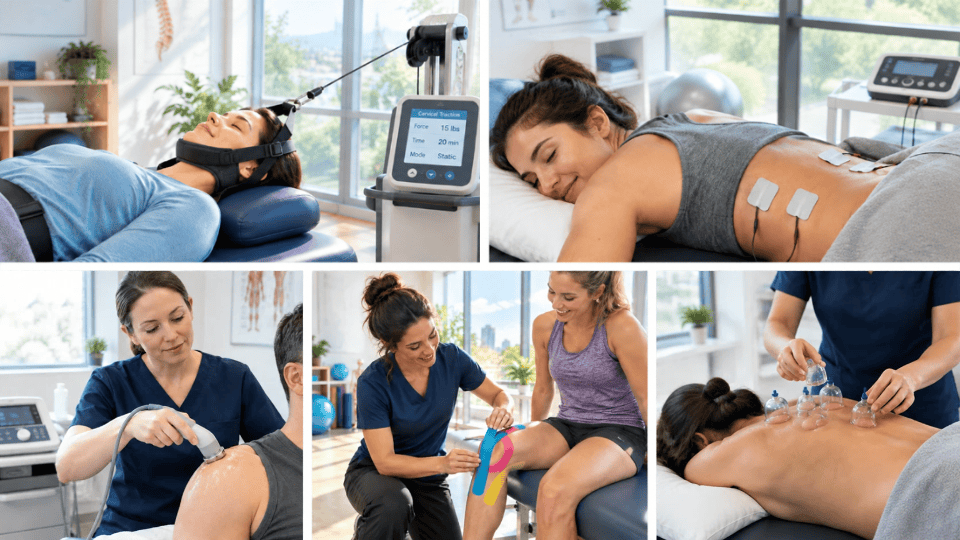
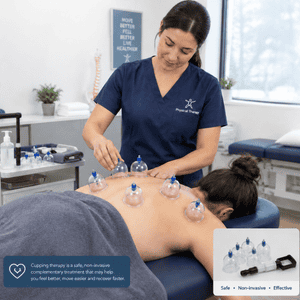
Cupping therapy uses specialized cups to create gentle suction against the skin and underlying soft tissues. This technique may temporarily relieve muscle tension, improve local blood flow, and reduce feelings of tightness or discomfort.
Who Can Benefit?
Cupping therapy may be helpful for patients experiencing:
- Myofascial pain and trigger points
- Chronic neck and back pain
- Muscle strains and sports injuries
- Muscle tension associated with headaches
What to Expect During Treatment
Your provider will place specialized cups on targeted areas of your body to create gentle suction against the skin. The cups may remain stationary or be moved across the muscles depending on your treatment needs.
Most patients experience a pulling or tight sensation rather than pain. Temporary circular marks or mild skin discoloration are common and typically fade within several days to two weeks.
Cupping is generally a brief treatment that may be incorporated into your chiropractic or physical therapy appointment.
Kinesiology Taping (KT Taping)
What Is Kinesiology Taping?
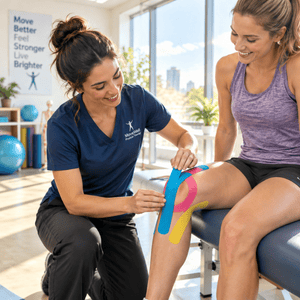
Kinesiology taping uses flexible, elastic therapeutic tape applied to the skin to provide light support to muscles and joints without significantly restricting movement. It may help reduce discomfort, improve body awareness, and provide temporary support during daily activities or exercise.
Who Can Benefit?
Kinesiology taping may be helpful for:
- Tendinitis and overuse injuries
- Knee pain and patellar tracking issues
- Ankle sprains and joint instability
- Plantar fasciitis
- Muscle strains and ligament injuries
What to Expect During Treatment
Your provider will apply flexible therapeutic tape directly to clean, dry skin over the affected muscles or joints. The tape is positioned based on your symptoms, movement patterns, and treatment goals.
Application is typically quick and painless. The tape is designed to move with your body and can often remain in place for several days, including during normal daily activities and showering.
Your provider will explain how long to wear the tape and how to remove it safely.
Therapeutic Ultrasound
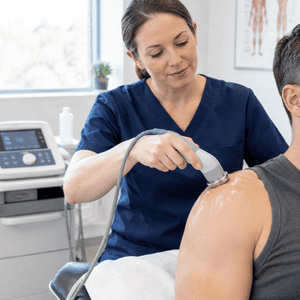
What Is Therapeutic Ultrasound?
Therapeutic ultrasound uses high-frequency sound waves applied through a handheld device to deliver mechanical energy to targeted soft tissues. Depending on the settings, ultrasound may provide gentle deep heating and help temporarily reduce pain or stiffness.
Who Can Benefit?
Therapeutic ultrasound may be considered for patients with:
- Tendinitis and tendon injuries
- Soft tissue injuries
- Joint stiffness and restricted mobility
- Certain chronic muscle conditions
What to Expect During Treatment
Your provider will apply a small amount of ultrasound gel to the treatment area and gently move a handheld device across the skin.
Treatment is typically painless. Depending on the ultrasound settings, you may feel mild warmth or no noticeable sensation at all.
Sessions generally last several minutes and may be combined with other treatments or therapeutic exercises.
Electrical Muscle Stimulation (EMS)
What Is Electrical Muscle Stimulation?
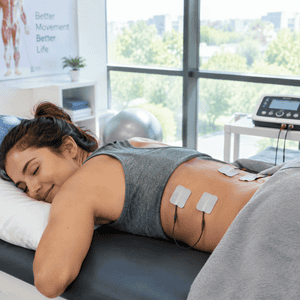
Electrical muscle stimulation uses small electrical impulses delivered through electrodes placed on the skin. Depending on the type and settings, electrical stimulation may help manage pain, stimulate muscle contractions, or assist with muscle re-education during rehabilitation.
Who Can Benefit?
Electrical stimulation may be helpful for patients experiencing:
- Muscle spasms
- Acute and chronic back pain
- Muscle weakness following injury or surgery
- Certain nerve-related pain conditions
What to Expect During Treatment
Small adhesive electrode pads are placed on the skin near the area being treated. These pads deliver controlled electrical impulses to the muscles or surrounding tissues.
You may experience a gentle tingling, pulsing, or muscle contraction depending on the type of stimulation used. Your provider will adjust the intensity to a comfortable and appropriate level.
Treatment typically lasts several minutes and may be used alongside chiropractic care or physical therapy.
Static Traction Therapy
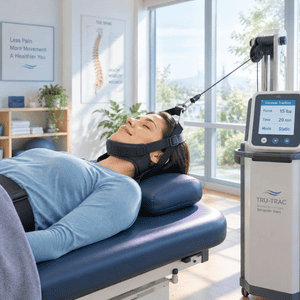
What Is Static Traction?
Static traction applies a controlled, sustained pulling force to a specific area of the spine. This treatment is intended to gently stretch spinal structures and may provide temporary relief from muscle tension or certain types of spinal discomfort.
Who Can Benefit?
Static traction may be considered for patients with:
- Herniated or bulging discs
- Sciatica and radiating leg pain
- Pinched nerves in the neck
- Certain cases of degenerative disc disease
Your provider will determine whether traction is appropriate based on your symptoms and examination findings.
What to Expect During Treatment
During static traction, you will be positioned comfortably while a specialized device applies a gentle, sustained pulling force to the targeted area of your spine.
You may feel a mild stretching sensation in your neck or lower back. The amount of traction and duration of treatment are adjusted according to your condition and comfort level.
Your provider will monitor your response throughout treatment to ensure the technique remains appropriate for your needs.
Manual Therapy
What Is Manual Therapy?
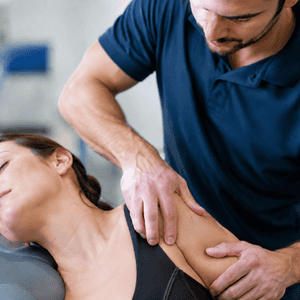
Manual therapy involves hands-on treatment techniques used by trained healthcare providers to address muscle tension, joint stiffness, and movement restrictions. Techniques may include soft tissue mobilization, stretching, and joint mobilization.
Who Can Benefit?
Manual therapy may help patients experiencing:
- Joint stiffness and restricted range of motion
- Frozen shoulder
- Arthritis-related mobility limitations
- TMJ dysfunction
- Post-injury and postoperative rehabilitation
What to Expect During Treatment
Your provider will use hands-on techniques to assess and treat areas of muscle tightness, joint stiffness, or restricted movement.
Depending on your condition, treatment may involve gentle pressure, assisted stretching, soft tissue mobilization, or controlled joint movements.
You may feel pressure or mild stretching during treatment. Your provider will adjust the techniques to your comfort level and treatment goals.
Ready When You Are
Ready To Feel Better
Our team is here to help you move better, feel better, and live healthier